More AI models
Read more

AI in Healthcare: Improving Patient Care and Diagnostics
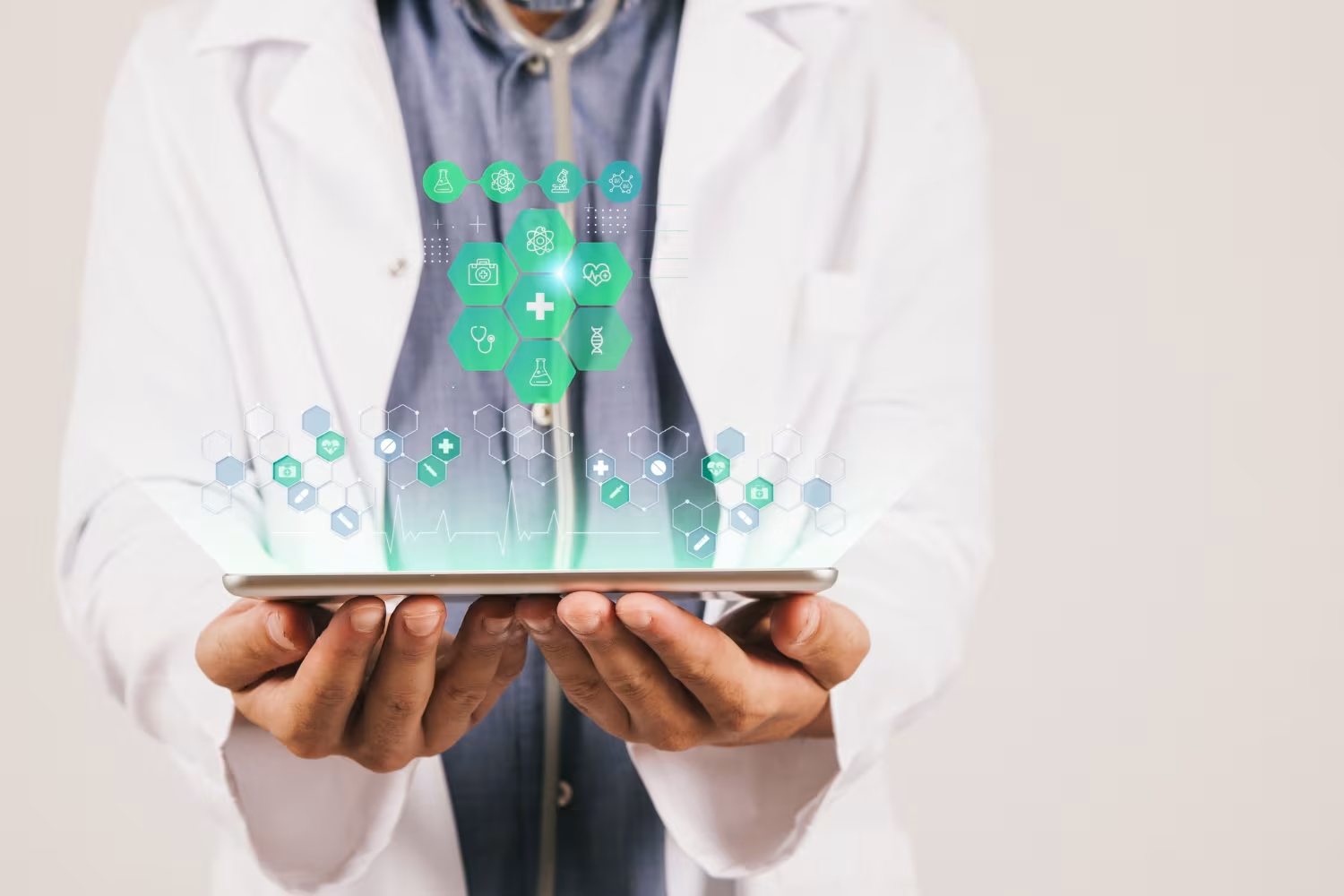

Healthcare is one of the sectors where AI shows the most life-changing impact. By combining medical expertise with advanced algorithms, AI is helping doctors diagnose diseases earlier, personalize treatments, and improve the overall patient experience.
AI-powered systems can analyze medical images, lab results, and patient histories with incredible accuracy. From detecting tumors on X-rays to identifying rare conditions, AI supports doctors in making faster and more reliable diagnoses.
No two patients are the same. AI helps design individualized treatment strategies by analyzing genetic data, medical history, and lifestyle factors. This enables doctors to recommend therapies that are more effective and less risky for each patient.
AI-driven assistants provide patients with 24/7 support — answering health questions, reminding them to take medication, or scheduling appointments. This reduces the workload on medical staff and ensures patients feel supported outside hospital walls.
AI is not just for treatment — it also streamlines hospital operations. Predictive analytics helps manage patient flow, optimize staff schedules, and reduce waiting times, ultimately improving both efficiency and patient satisfaction.
AI will never replace human doctors, but it will enhance their capabilities. The next decade will see deeper integration of AI in preventive care, remote monitoring, and precision medicine, paving the way for healthier societies worldwide.
AI is transforming healthcare through faster diagnostics, personalized treatments, virtual assistants, and improved hospital operations. It empowers doctors and supports patients, creating a smarter and more responsive healthcare system.